 Day Trips from Sapporo
Kamui Kotan in Asahikawa: Rapids, Rocks and an Old Station on the Ishikari River
 By Chaporo, a Sapporo local Published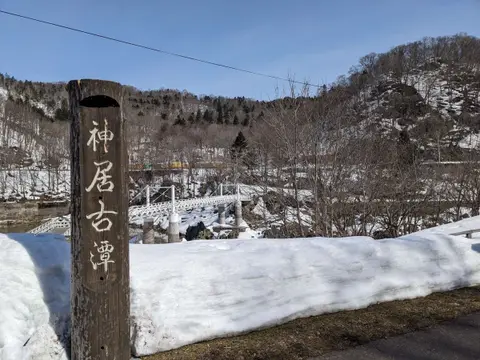
Quick answers
- Ishikari River rapids and strange rocks seen from a footbridge, renovated in 2024
- Across the bridge: the restored old Kamuikotan Station and three steam locomotives (May to October)
- Autumn leaves peak in late October
- Free parking (about 30 cars); about 2 hours from Sapporo via Fukagawa IC
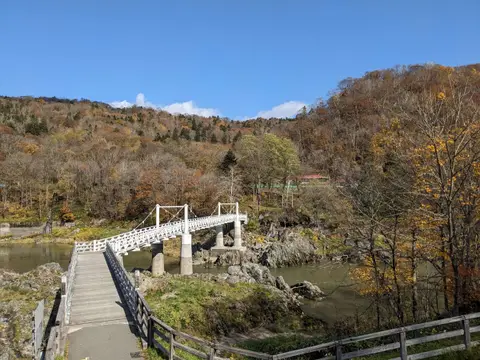
Kamui Kotan (also written Kamuikotan), on the western edge of Asahikawa, is where the Ishikari River bends hard through a narrow gorge full of rapids and strange rocks. It is one of the Eight Views of Asahikawa. A footbridge crosses the river, and from the middle you look straight down on the rapids.
The view from the bridge
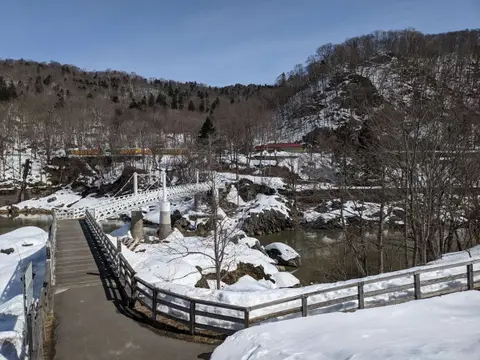
The old bridge used to creak as you crossed; it was renovated in 2023–24 and is now solid, but the view is the same.
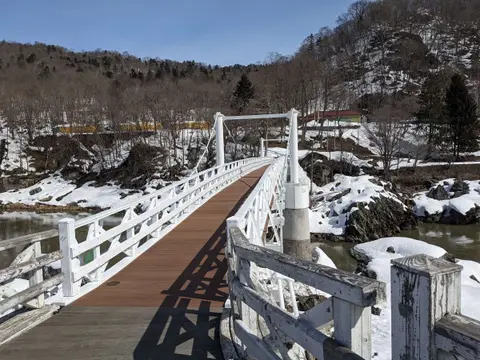
From the bridge you see rows of rough rocks upstream and downstream. These are the Kamui Kotan potholes, carved by the river where it bends; the Ainu called them "the footprints of the demon" and "the demon's head". They are rare in Japan and are a natural monument of Asahikawa. The rows show up more clearly in my autumn photos.
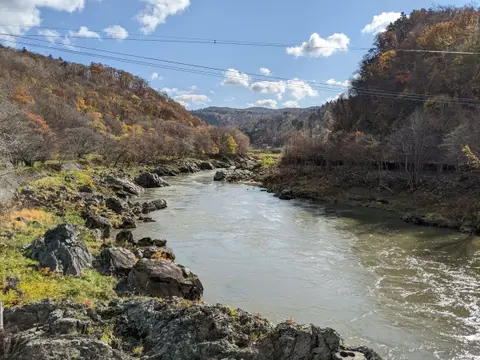
Autumn leaves are at their best in late October (the photo below was taken on October 25).
The old station and steam locomotives
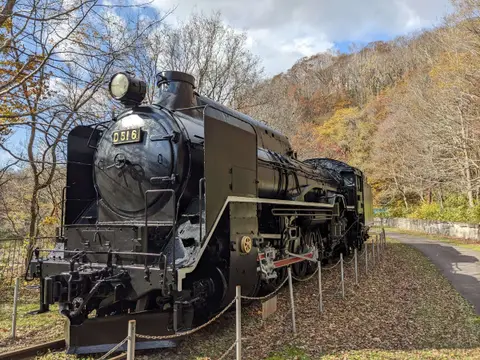
Across the bridge is the old Kamuikotan Station, restored to how it looked, and three steam locomotives on display; the station rest area is open from May 1 to October 31.
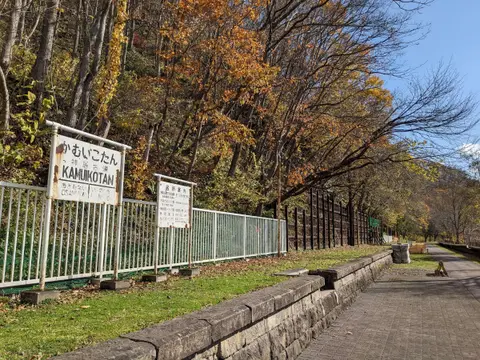
The station area is closed in winter: when I went in late March, the path was closed just past the bridge because of snow.
What does Kamui Kotan mean?
In Ainu, Kamui Kotan means "the village of the gods", and it was a sacred place. The bend in the river made the rapids dangerous for Ainu boats, so people prayed to the gods to pass safely, and believed a demon lived here.
Parking
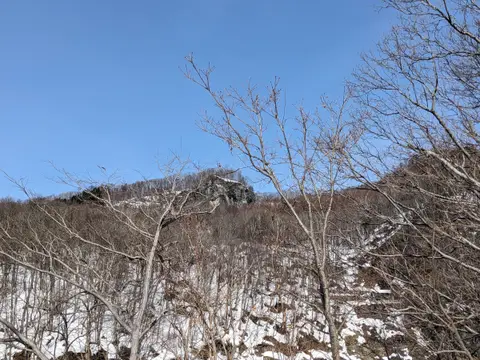
There is a free car park (about 30 spaces). The toilet beside it has been closed since 2023; use the public toilet by the old station across the bridge (May to October). From the car park you can see Kamui Rock rising across the river.
How to get there
From Sapporo: a little under two hours including a break. Take the Do-o Expressway toward Asahikawa and leave at Fukagawa IC (tolls apply).
From New Chitose Airport: a little over two hours on the same expressway. At Sapporo JCT, keep right for Asahikawa, not left for Otaru.
From Fukagawa IC: turn left onto Prefectural Road 79; after about 1 km, turn right onto Route 12 and follow it about 12 km, turning left just before the Kamuikotan Tunnel.
Near Kamui Kotan
Twenty minutes back toward Fukagawa are the catbus at Totoro Pass, a rice-pot lunch at Riceland Fukagawa and the Irumu no Yu hot spring.
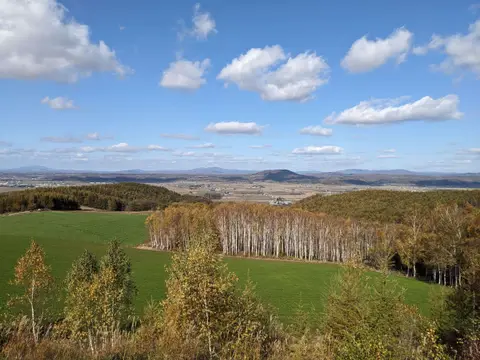 Fukagawa, Hokkaido: Things to Do on a Day Trip from Sapporo by CarA local's day trip from Sapporo to Fukagawa in central Hokkaido: the Kamui Kotan rapids, a rice-pot lunch at Riceland Fukagawa, the Totoro Pass catbus, local cider, and a forest hot spring for 500 yen.
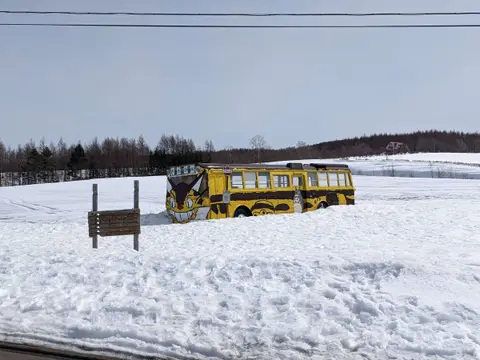 Totoro Pass, Fukagawa: Hokkaido's Totoro Catbus Photo SpotA local's guide to the "Totoro bus" at Totoro Pass in Fukagawa, Hokkaido: an old bus painted like the Catbus from My Neighbor Totoro, the bus-stop timetable, the view over the Sorachi plain, parking and the winter closure.
FAQ about Kamui Kotan
Q1. Where is Kamui Kotan?
On the Ishikari River at the western edge of Asahikawa, about 20 minutes from Fukagawa IC on Route 12.
Q2. When are the autumn leaves at Kamui Kotan?
Late October.
Q3. Can I visit in winter?
The bridge, yes, but the old station area across it is closed.