 Day Trips from Sapporo
Bihoro Pass: The Classic View of Lake Kussharo and Its Roadside Station
 By Chaporo, a Sapporo local Published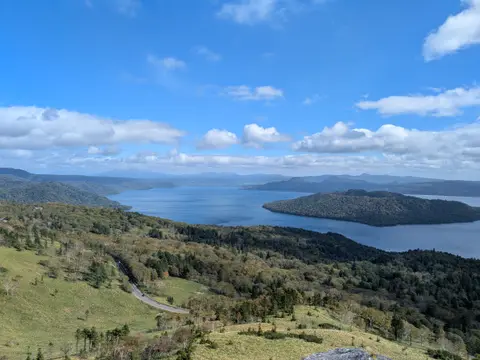
Quick answers
- A panorama over the whole of Lake Kussharo, with Nakajima Island in the middle
- The roadside station has big windows over the lake, age-imo fried potatoes and crunchy curry bread
- Thirty minutes to an hour is about right
- In winter the road over the pass is often closed in snowstorms
The Bihoro Pass is the classic viewpoint over Lake Kussharo, the largest caldera lake in Japan. From high on the south-west side you look down on the whole lake, with Nakajima Island in the middle and the mountains all around, and right beside the viewpoint is a roadside station (michi-no-eki, a public rest stop with toilets, food and local produce), Gurutto Panorama Bihoro Toge, with a shop, food and big windows over the lake. If you want one view that says eastern Hokkaido, this is it.
What is the Bihoro Pass like?
The pass is on the border of Bihoro and Teshikaga, on Route 243, the road between Bihoro and Lake Kussharo.
Almost nothing blocks the view, and the lake, the sky and the mountains open up together. On a clear day you really feel how wide eastern Hokkaido is. On cloudy days it is still worth stopping: cloud shadows move across the water and light breaks through the gaps, so the view changes even in a few minutes.
Bihoro Pass, Tsubetsu Pass or Mt. Mokoto?
There are several viewpoints over Lake Kussharo. The Tsubetsu Pass is a quieter one, known for its sea of clouds, and the Mt. Mokoto observation car park is a little-known spot with few people. The Bihoro Pass is the easiest of the three: it has a roadside station, so if you are new to eastern Hokkaido and just want to see Lake Kussharo, start here.
The roadside station
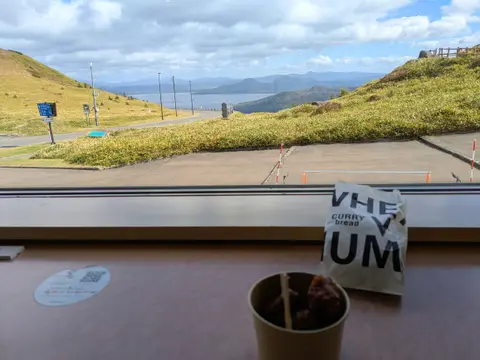
The roadside station next to the viewpoint is an easy place for a break. Its big windows look out over the lake, so you can enjoy the view even on a cold or windy day.
The shop sells light meals to eat in or take away. Age-imo, whole local potatoes deep-fried in a slightly sweet batter, and a soft-serve in hand while you look at the view is what everyone does here.
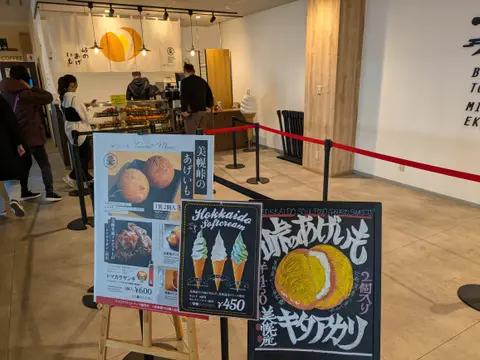
I especially recommend the curry bread from the bakery Komugi no Dorei ("slave to wheat"): crunchy outside and full of flavor inside. There is a toaster on the second-floor viewing floor, so you can have it hot and crisp.



Hours: 9:00–18:00 from April to October, 9:00–17:00 from November to March; closed over New Year.
How long to stay and when to go
Thirty minutes to an hour is about right: take in the view, then have something to eat at the roadside station, and an hour soon goes by. Daytime to late afternoon is the most reliable time for a clear view. Early mornings can be cloudy, but on a still morning you may see cloud lying over the lake.
Winter
In winter the road over the pass is often closed in snowstorms. Check road conditions before you go, and if you are in a rental car, have another route in mind.
Near the Bihoro Pass
The pass is the natural first stop on a loop around Lake Kussharo. From here it is about 30 minutes to Sunayu, where you can dig a hot spring foot bath in the sand, and Mt. Io and Kawayu Onsen are beyond.
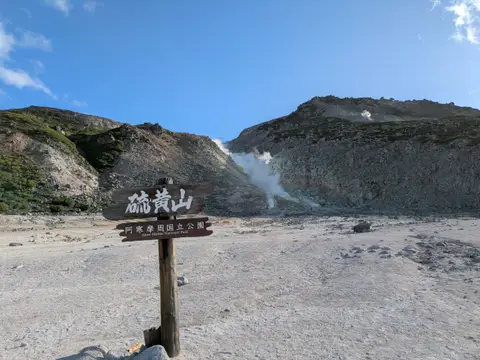 Mt. Io (Iozan): Walking Among the Steaming Vents Near Kawayu OnsenA local's guide to Mt. Io, the active volcano at Kawayu Onsen in eastern Hokkaido: walking up to the steaming sulfur vents, Iozan MOKMOK Base, parking shared with Lake Mashu, and how long to stay.
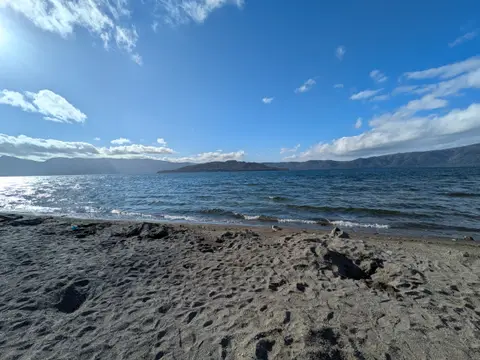 Sunayu on Lake Kussharo: Dig Your Own Hot Spring Foot BathA local's guide to Sunayu on Lake Kussharo, the beach where hot water wells up through the sand: how to make a foot bath, swans in winter, the campsite and shop, and how to get there.
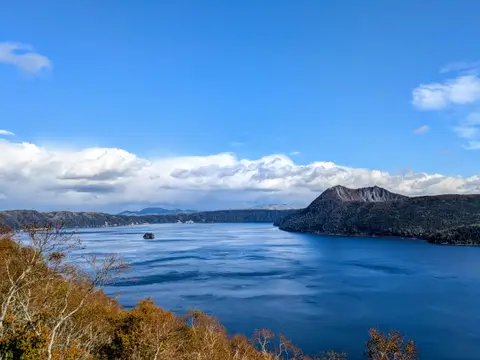 Lake Mashu, Lake Kussharo and Lake Akan: A Local's Eastern Hokkaido Road TripA two-night road trip around Lake Kussharo, Lake Mashu and Lake Akan to the Kushiro Wetland, from a Sapporo local who drove it: the order that works, what each lake is like, the boat to the marimo, and weather and driving tips.
FAQ about the Bihoro Pass
Q1. What can you see from the Bihoro Pass?
The whole of Lake Kussharo, with Nakajima Island in the middle and the mountains around it.
Q2. Is there a place to eat at the Bihoro Pass?
Yes. The roadside station has a shop, light meals, soft-serve, age-imo fried potatoes and the Komugi no Dorei bakery.
Q3. How long do you need at the Bihoro Pass?
Thirty minutes to an hour.
Q4. Is the Bihoro Pass open in winter?
The roadside station is open all winter except New Year, but the road over the pass is often closed in snowstorms, so check before you go.