 Day Trips from Sapporo
Lake Mashu Observatory No. 3: The Quieter View of Mashu Blue
 By Chaporo, a Sapporo local Published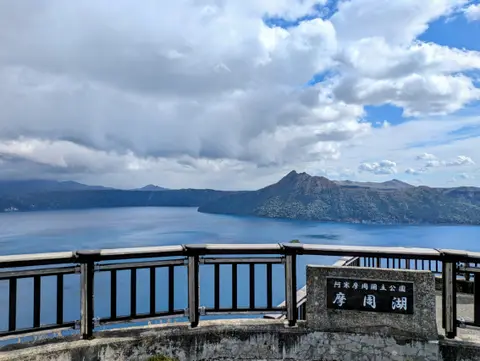
Quick answers
- A few minutes from Observatory No. 1, with fewer people and the lake feeling closer
- A small free car park (about 10 cars) and no toilets
- About 15 to 25 minutes is enough
- The road is closed from about early November to mid-April
Lake Mashu Observatory No. 3 is the quieter of the two observatories on the west side of Lake Mashu, a few minutes' drive from the main Observatory No. 1. It has fewer facilities, but also fewer people, and the lake feels closer: you stand face to face with it rather than looking down on it. When I went, it did not feel like a back-up for No. 1; it is worth a stop in its own right.
What is Lake Mashu?
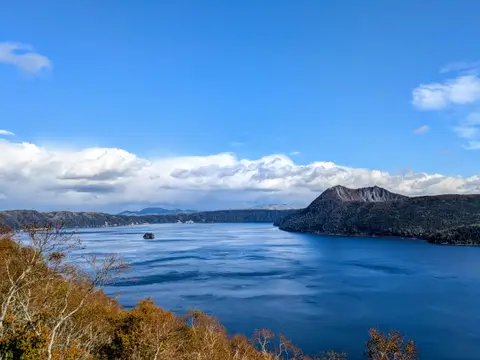
Lake Mashu is a caldera lake in Teshikaga and one of the clearest lakes in the world. Its deep blue is called Mashu blue, and it changes with the weather and the light. It is also known for fog, so you will not always see the water.
The view from Observatory No. 3
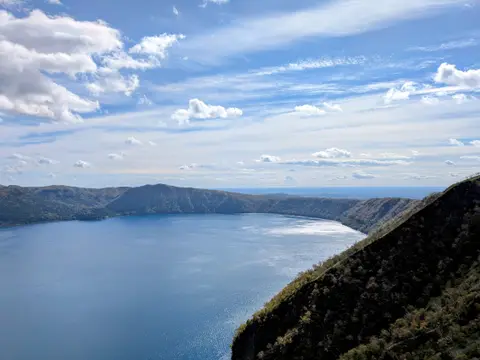
From No. 3 the lake seems closer, so you can see the color and texture of the water more clearly. It felt less like looking down on the lake and more like facing it, and you get a stronger sense of how deep and still it is.
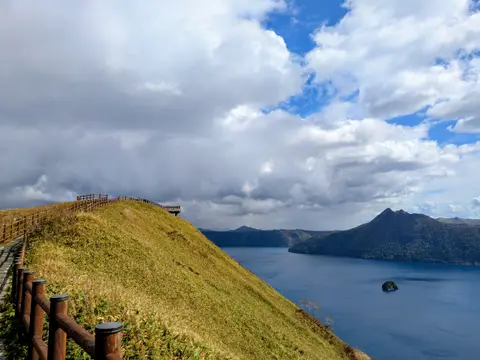
Fewer people stop here than at No. 1, so it is easier to take your time. If you want more than a quick photo and would like to stand and watch the lake for a while, No. 3 suits you.
No. 1, No. 3 or Ura-Mashu?
The three observatories suit different moods:
- Observatory No. 1 is the classic first stop: the best facilities and the clearest sense of the whole lake.
- Ura-Mashu Observatory, on the far side, is about quiet and atmosphere rather than convenience. You will not always see the water, but it feels the most mysterious.
- Observatory No. 3 sits in between: the famous view, in a calmer setting.
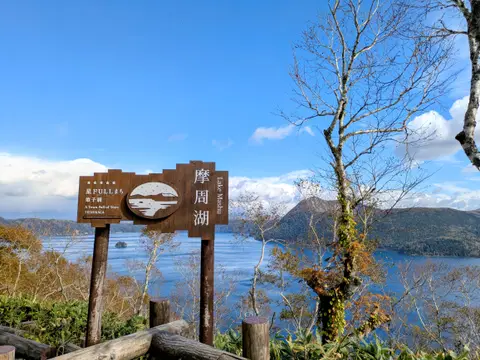 Lake Mashu Observatory No. 1: The Classic View, Parking and the FogA local's guide to Lake Mashu Observatory No. 1 in eastern Hokkaido: the view, the Kamuy Terrace shop, how the three observatories compare, parking and what to do if the lake is in fog.
Go to No. 3 if No. 1 is too crowded, if you want to watch the lake more quietly, or if you want both the clear view and the calm.
How long to stay, parking and the road
About 15 to 25 minutes: time to look, take photos and stand for a while.
- Parking: a small free car park for about 10 cars, with a short climb up steps to the deck.
- Toilets: none at No. 3; use the ones at Observatory No. 1.
- Winter: the road to No. 3, Prefectural Road 52, is closed every year from about early November to mid-April.
Access and fog
You need a car. Like the other observatories, No. 3 is often in fog. Even when the water is hidden, unless it is a total white-out you can usually still make out the crater rim and sense the lake below. If No. 1 is in fog, No. 3 is a few minutes away and worth a try, and the other way round.
My eastern Hokkaido road trip has the route around the lakes.
 Lake Mashu, Lake Kussharo and Lake Akan: A Local's Eastern Hokkaido Road TripA two-night road trip around Lake Kussharo, Lake Mashu and Lake Akan to the Kushiro Wetland, from a Sapporo local who drove it: the order that works, what each lake is like, the boat to the marimo, and weather and driving tips.
FAQ about Lake Mashu Observatory No. 3
Q1. What is the difference between Lake Mashu Observatory No. 1 and No. 3?
No. 1 is the main observatory, with a large car park, a shop and a café. No. 3 has fewer facilities and fewer people, and the lake feels closer.
Q2. How long do you need at Observatory No. 3?
About 15 to 25 minutes.
Q3. How far is No. 3 from No. 1?
A few minutes by car along the west rim of the lake.
Q4. Is Observatory No. 3 open in winter?
No. The road, Prefectural Road 52, is closed from about early November to mid-April.