 Day Trips from Sapporo
The Ororon Bird Monument in Haboro: The Seabird Behind the Road's Name
 By Chaporo, a Sapporo local Published Visited
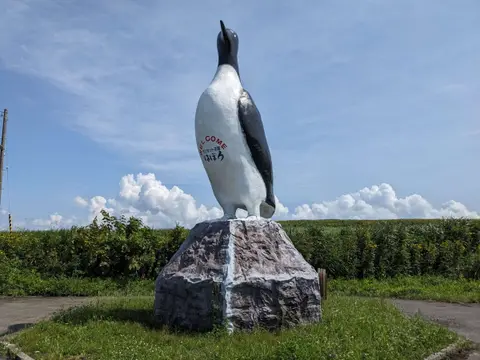
Quick answers
- A 7.5-meter statue of the ororon bird (common murre), the seabird the Ororon Line is named after
- In Japan the bird now breeds only on Teuri Island, off Haboro
- Two statues, one at each end of town; the northern one has parking for 4 or 5 cars
- About 3 hours from Sapporo
In Haboro, on the Ororon Line, a 7.5-meter statue of a seabird stands beside the road. It is the ororon bird, the common murre, and it is the reason the coast road is called the Ororon Line. There are two of them, one at each end of town.
The ororon bird
The common murre is an endangered seabird in Japan; today it breeds only on Teuri Island, off Haboro. Its call sounds like "ororon", which gave it its Japanese name.
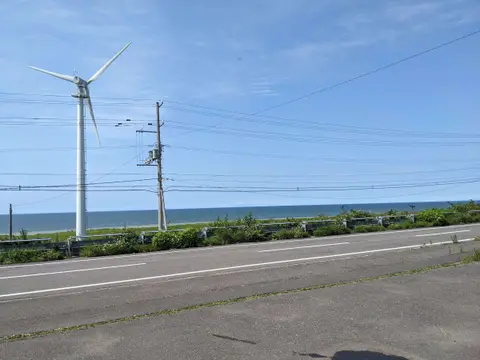
The area around the monument is open, with few buildings, and the Sea of Japan stretches out in front of you.
What is the Ororon Line?
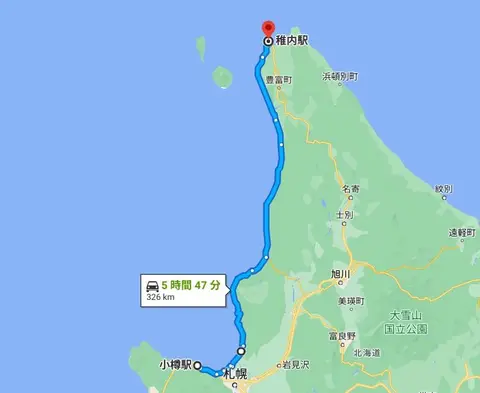
The Ororon Line is the nickname for the coast roads, mostly Routes 231 and 232, from Otaru to Wakkanai along the Sea of Japan. It is not an official name, and sometimes it means the stretch starting from Ishikari.
Parking
The northern statue has a parking space for 4 or 5 cars, so it is easy to stop for a photo.
How to get there
From Sapporo: about three hours including breaks. Take the Do-o Expressway toward Asahikawa, keep left for Rumoi at Fukagawa JCT, leave at Rumoi IC and follow the coast road north (Route 232, the Ororon Line). Haboro is about an hour north of Rumoi, and the monument is on your right.
From New Chitose Airport: add about half an hour; at Sapporo JCT keep left for Asahikawa.
Near the Ororon bird monument
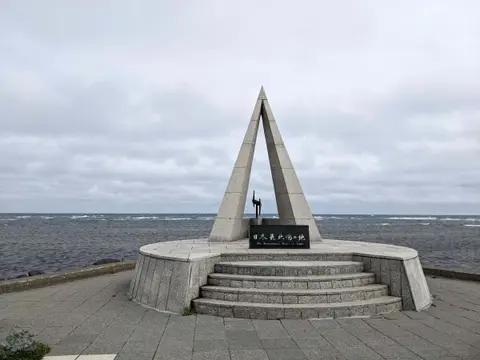 Sapporo to Wakkanai by Car: The Ororon Line Coast Road to Cape SoyaDriving from Sapporo to Wakkanai up the Ororon Line, the Sea of Japan coast road, from a Sapporo local who did it: the stops, the closest view of Rishiri Island, sunset at Cape Noshappu, and Cape Soya and the White Road the next morning.
 Roadside Station Enbetsu Fujimi: A Lookout Toward Rishiri FujiA local's guide to Roadside Station Enbetsu Fujimi on the Ororon Line: the hilltop lookout toward Rishiri Fuji, local seafood and Enbetsu scallops, hours and parking.
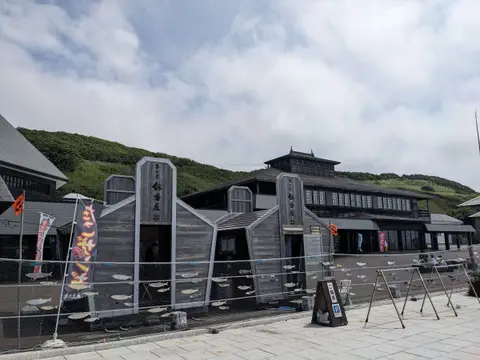 Roadside Station Obira Nishin Banya: Herring Soba and an Old Fishery HouseA local's guide to Roadside Station Obira Nishin Banya on the Ororon Line: the Old Hanada Family Herring House (an Important Cultural Property), herring soba and other herring dishes, the sea view, hours and parking.
FAQ about the Ororon bird monument
Q1. Why is it called the Ororon Line?
After the ororon bird (common murre), a seabird whose call sounds like "ororon"; in Japan it breeds only on Teuri Island off Haboro.
Q2. Where is the Ororon bird monument?
Beside the coast road in Haboro; there is one at each end of town.
Q3. Is there parking?
The northern statue has space for 4 or 5 cars.